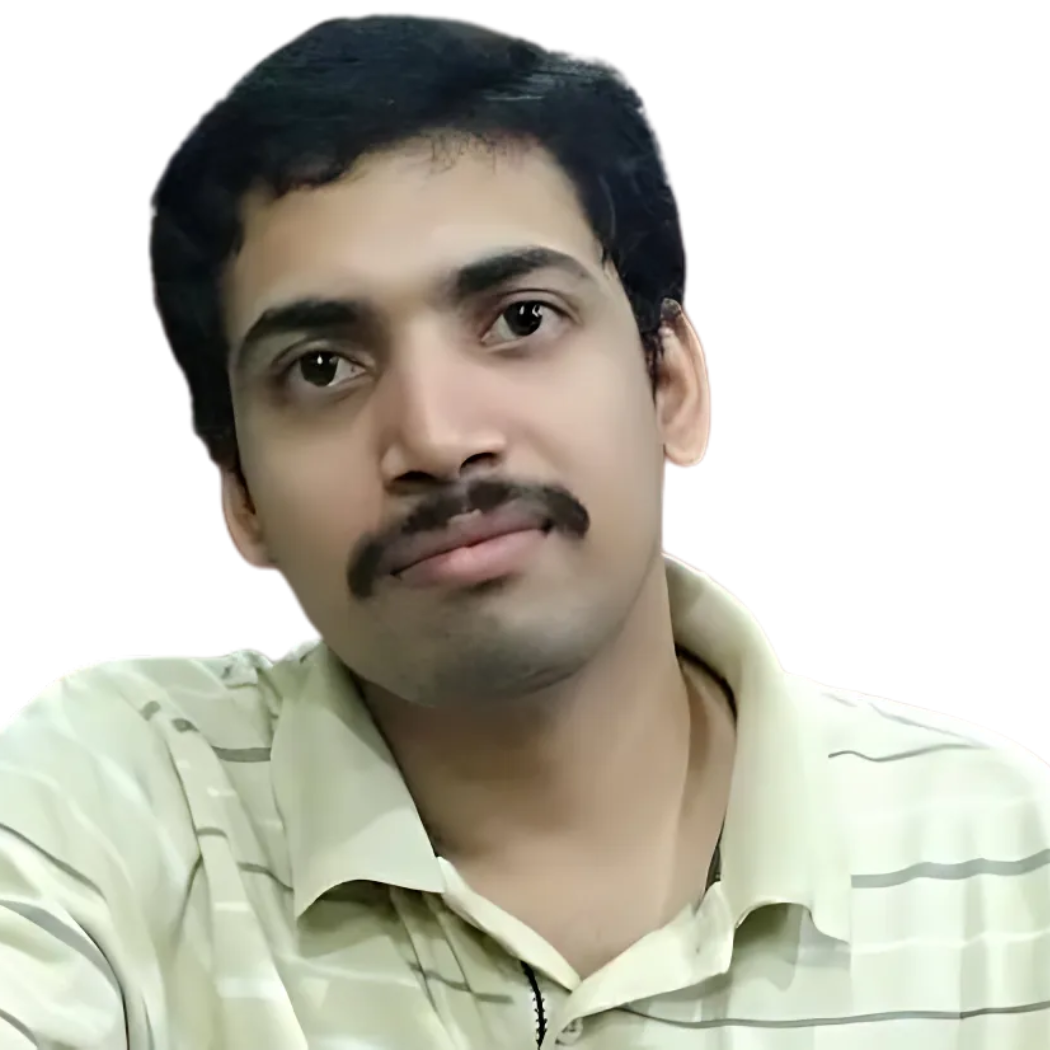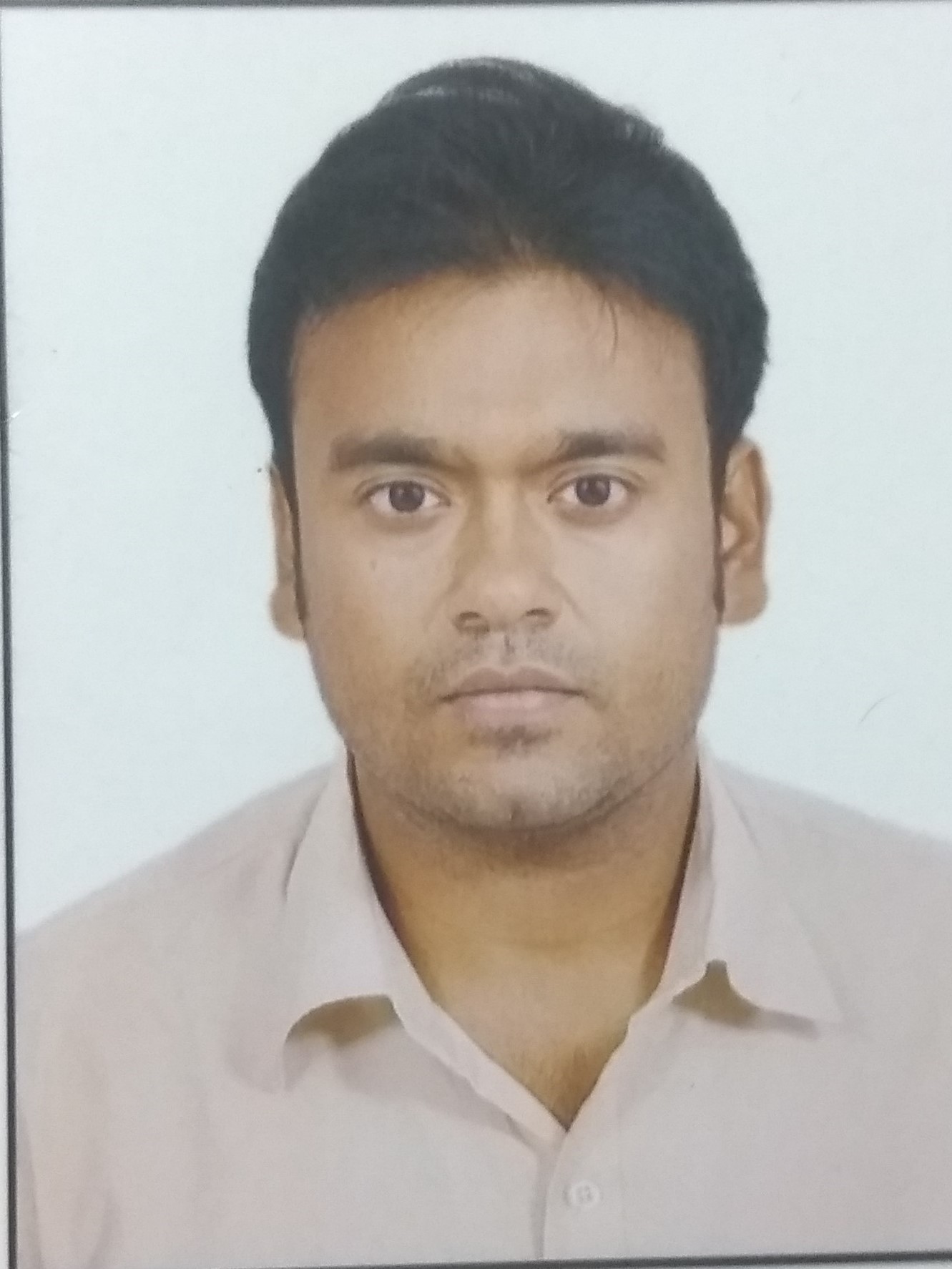
Banhimitra Kundu
PhD Student
Banhimitra Kundu is currently pursuing his PhD at the NeuRonICS Lab, Indian Institute of Science (IISc), where he is working on neuromorphic computing and its hardware implementations. He holds a B.Tech degree in Electronics and Communication Engineering (ECE) from the West Bengal University of Technology (WBUT). Prior to joining IISc, he gained a decade of extensive industry experience at Hindustan Aeronautics Limited (HAL), where he was involved in the development of mission-critical systems for military aircraft, including mission computers and control computers. His work at HAL spanned across hardware design, analog sensor conditioning systems, single board computers using SoCs, and software development for RTOS and non-RTOS environments. Currently, Banhimitra's research is focused on the development of a handheld ultrasound device, exploring novel beamforming algorithms aimed at advancing portable ultrasound technology.
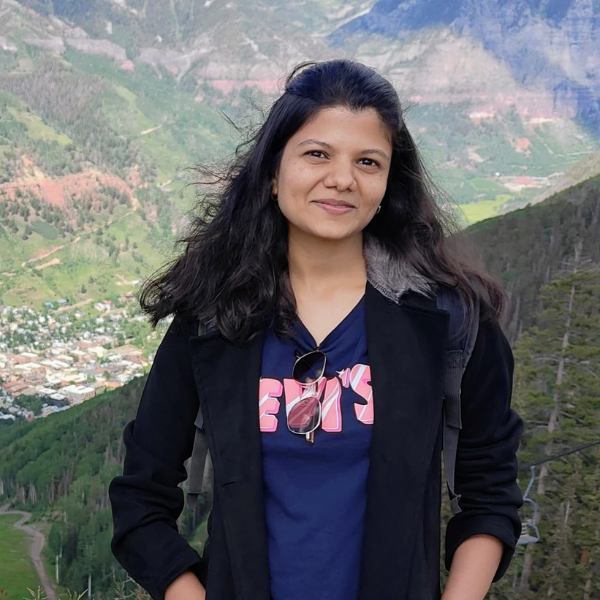
Madhuvanthi Srivatsav R
PhD Student
Madhuvanthi Srivatsav R is a PhD student at the NeuRonICS Lab, IISc Bangalore. She completed her B.Tech (Hons.) and M.Tech in VLSI and Electronics Systems Design from the Indian Institute of Information Technology, Design, and Manufacturing (IIITDM) Kancheepuram. She was the recipient of the Institute Gold Medal for being the All-Rounder of her graduating batch. After her academic achievements, she gained practical industry experience at SiFive, Bangalore, working in physical design. Her research interests include low-power VLSI design, neuromorphic computing, and hardware implementation of machine learning algorithms. She is passionate about developing energy-efficient circuits that bridge the gap between software intelligence and hardware constraints.
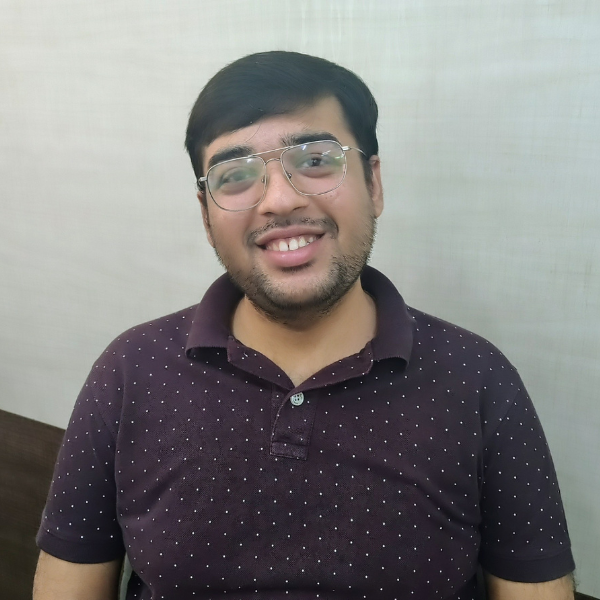
Ketan Sanjay Chaudhari
PhD Student
Ketan Sanjay Chaudhari is a PhD student at the NeuRonICS Lab, Indian Institute of Science (IISc). He completed his B.Tech in Electronics and Communication Engineering from the Indian Institute of Technology (IIT) Guwahati in 2021. Proficient in Matlab, Verilog, VHDL, and Python, Ketan's research interests span across Digital VLSI design, Neural Networks, and the hardware implementation of brain-inspired algorithms. His research aims to develop highly optimized and efficient hardware systems capable of running complex neural network algorithms for edge computing applications.
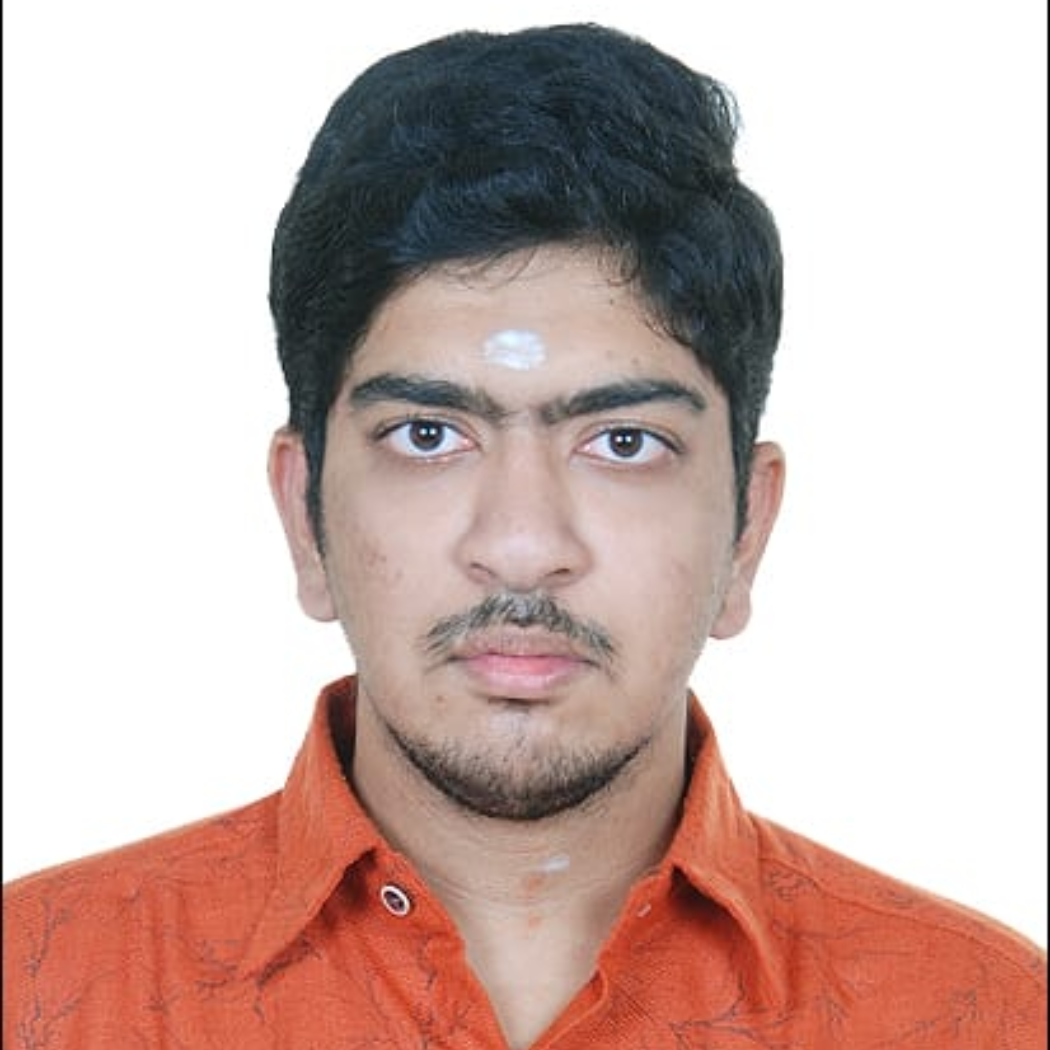
Shankaranarayanan H
PhD Student
Shankaranarayanan H is a PhD student at the NeuRonICS Lab, IISc Bangalore. He completed his B.Tech in Electronics and Communication Engineering from Sardar Vallabhbhai National Institute of Technology (SVNIT), Surat, and his M.Tech in VLSI and Embedded Systems from the Defence Institute of Advanced Technology (DIAT), Pune. During his undergraduate studies, he and his team were awarded the TEQIP-III grant for developing an Autonomous Agricultural Robot. For his M.Tech dissertation, he worked at the National Institute of Electronics and Information Technology (NIELIT), Calicut, focusing on developing beamforming algorithms for Ultrasound Imaging Systems. His current research focuses on Digital VLSI design, signal processing, and implementing FPGA-based hardware accelerators for machine learning applications.
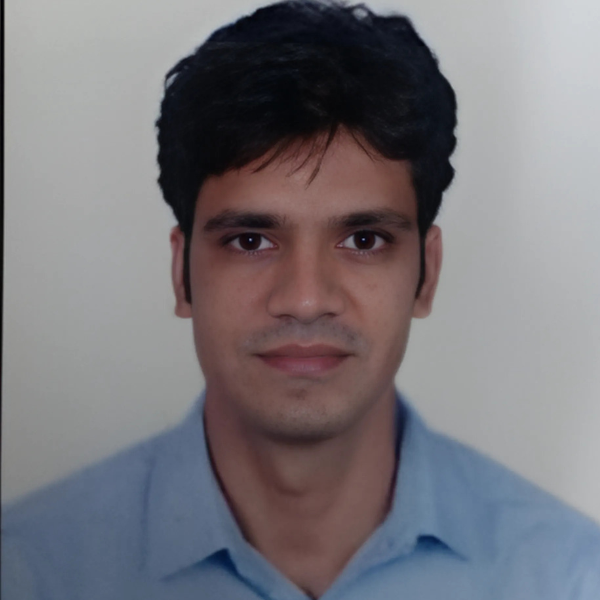
Pradeep Kumar Gautam
PhD Student
Pradeep Kumar Gautam is a PhD student at the NeuRonICS Lab, IISc Bangalore, and a Scientist at the Defence Research and Development Organisation (DRDO). He holds a B.Tech in Electronics and Communication Engineering from NIT Jaipur. With his extensive experience at DRDO, including his work at the Processor Design Center (ANURAG) and Centre for Artificial Intelligence (CAIR), Pradeep specializes in processor architecture customization and multi-core network processor design. His current research is focused on developing hardware-accelerated machine learning architectures for embedded and edge computing systems, targeting faster and energy-efficient inference.
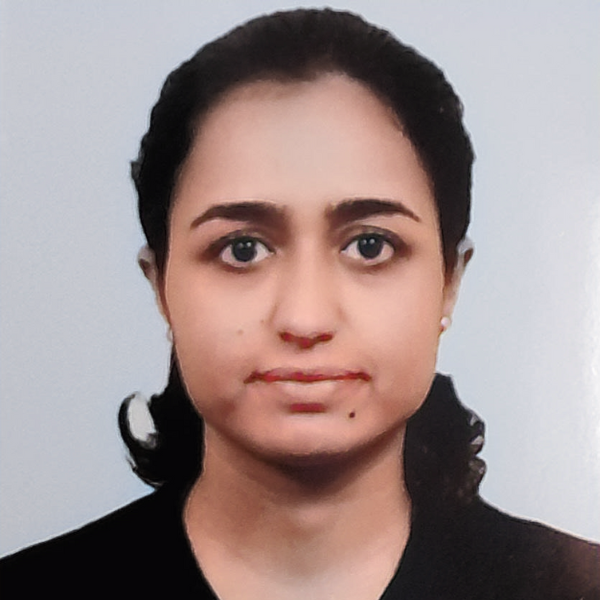
Satyapreet Singh Yadav
PhD Student
Satyapreet Singh Yadav is a PhD student in the Brain and Artificial Intelligence program at the NeuRonICS Lab, IISc Bangalore. She completed her Master's from IISc and her B.Tech in Electronics and Communication Engineering from the National Institute of Technology (NIT) Calicut. Before joining IISc, she worked for eight years as a Scientist at the Indian Space Research Organization (ISRO), where she was involved in projects related to aerospace and space applications. Her research focuses on brain-inspired computing, machine learning, radar signal processing, and embedded system design for real-world edge intelligence solutions.
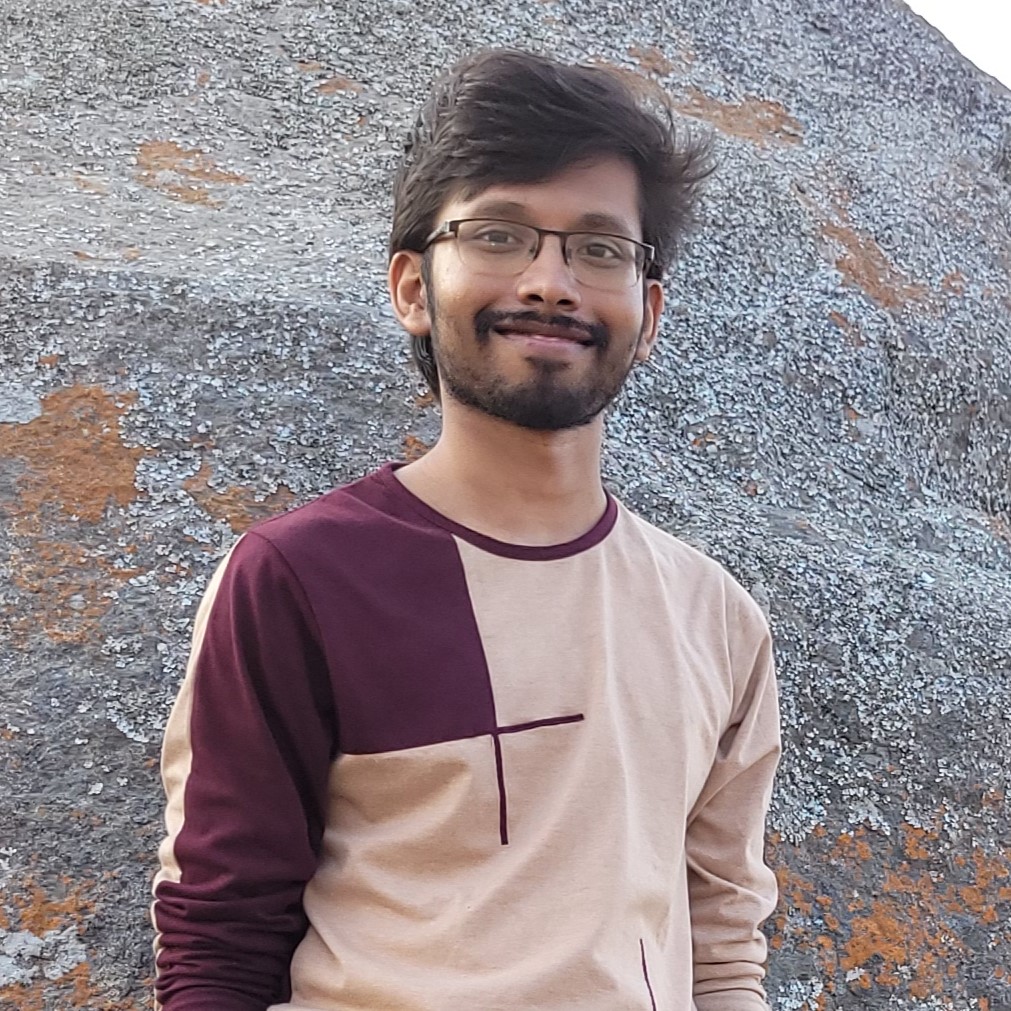
Saptarshi Maiti
PhD Student
Saptarshi Maiti is a PhD student in the Brain, Computation, and Data Science program at the NeuRonICS Lab, IISc Bangalore. He completed his M.Tech in Microelectronics and VLSI Design from IISc in 2024 and his B.E. in Electronics and Telecommunication Engineering from Jadavpur University, Kolkata. Prior to his PhD, he worked as a Junior Research Fellow at the NeuRonICS Lab, contributing to the design of a Neural Decoder SoC for brain-computer interfaces. His research interests include neuromorphic engineering, brain-inspired computing, hardware-software co-design, and analog/mixed-signal IC design for low-power and high-performance edge devices.
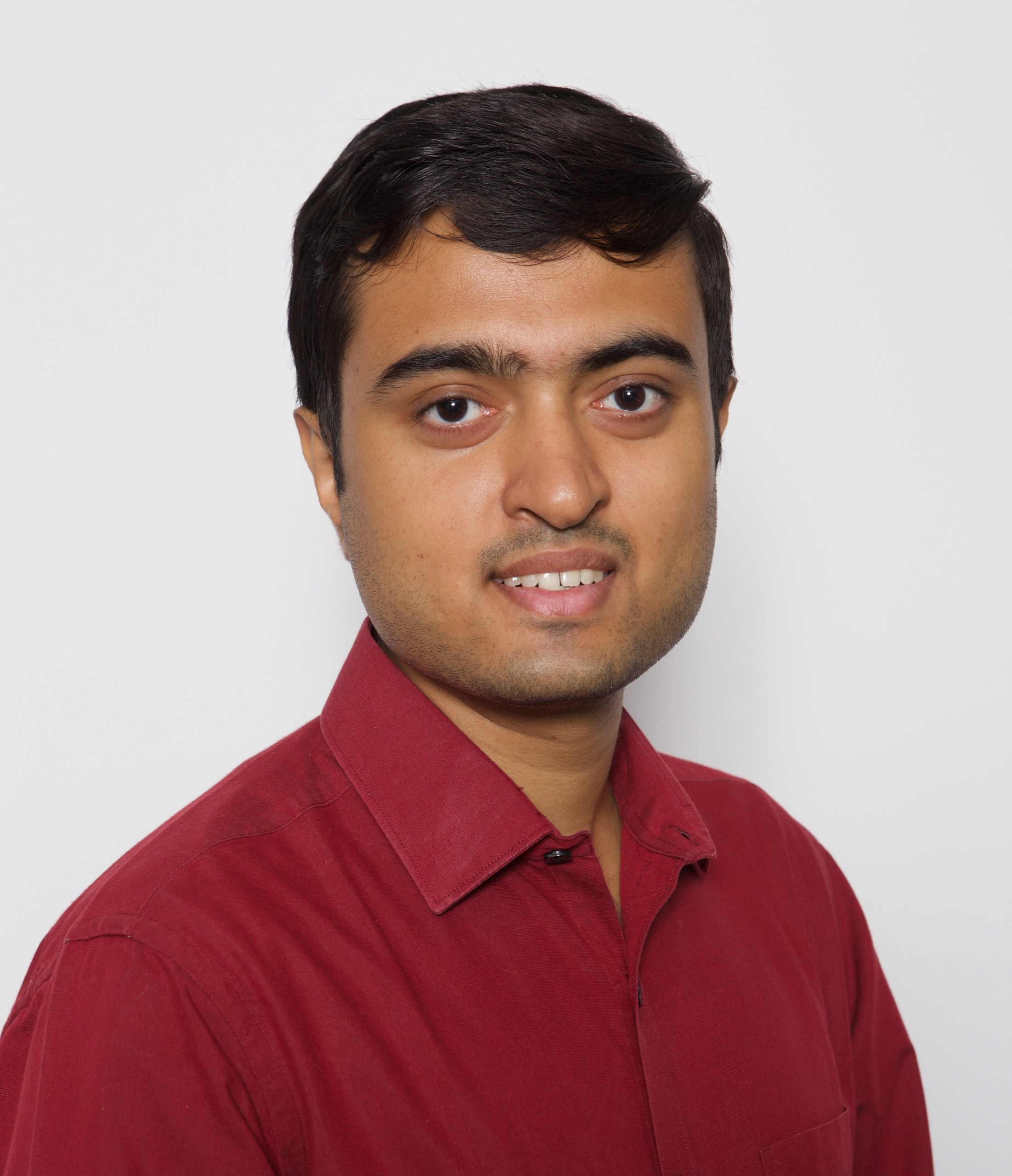
Adithya Krishna
PhD Student
Adithya Krishna is currently pursuing a Ph.D. jointly with the International Centre for Neuromorphic Systems (ICNS), Western Sydney University, Australia, and the Indian Institute of Science (IISc), Bengaluru, India, under the supervision of Prof. André van Schaik, Dr. Chetan Singh Thakur, and Dr. Mahesh Mehendale. His doctoral research focuses on developing energy-efficient hardware architectures that facilitate neural network processing in edge computing environments. As part of this, he developed the RAMAN Accelerator, a specialized neural engine designed for edge intelligence. His research interests span digital VLSI system design, computer architecture, stochastic computing, neuromorphic engineering, and hardware for machine learning. He was a recipient of the Summer Research Fellowship 2016 under the Indian Academy of Sciences. He has authored and co-authored multiple papers in reputed international journals and conferences. His broader vision is to design novel and efficient hardware architectures that leverage machine learning to address real-world problems across diverse domains, while building energy-efficient systems inspired by principles of brain computation.

Asutosh Ratha
PhD Student
Asutosh Ratha is a PhD Student at the NeuRonICS Lab, IISc Bangalore. He completed his B.Tech from IIT Kharagpur in 2024. Previously, he interned at Jaguar Land Rover (JLR) as an EV-Powertrain intern, working on power converter design for HVDC systems. His research interests lie in analog and mixed-signal circuit design, where he focuses on building energy-efficient and innovative circuit solutions for neuromorphic applications.
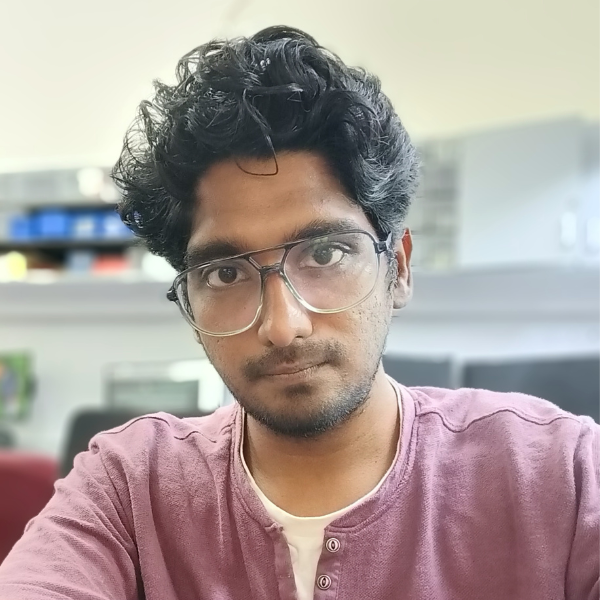
Muthiah S
PhD Student
Muthiah S is a PhD student at the NeuRonICS Lab, IISc Bangalore. He completed his B.E. in Electronics and Communication Engineering from Thiagarajar College of Engineering, Madurai, and his M.Tech in Electronics Systems Design from the Indian Institute of Information Technology, Design, and Manufacturing (IIITDM). Muthiah was the recipient of the Institute Gold Medal for best postgraduate student and the Institute Silver Medal for highest CGPA at IIITDM. Before joining IISc, he worked at HP Inc. in the Analytics and Advanced Computing Lab. His research interests include low-power analog and mixed-signal VLSI design, neuromorphic computing, and the hardware implementation of machine learning algorithms for edge devices.
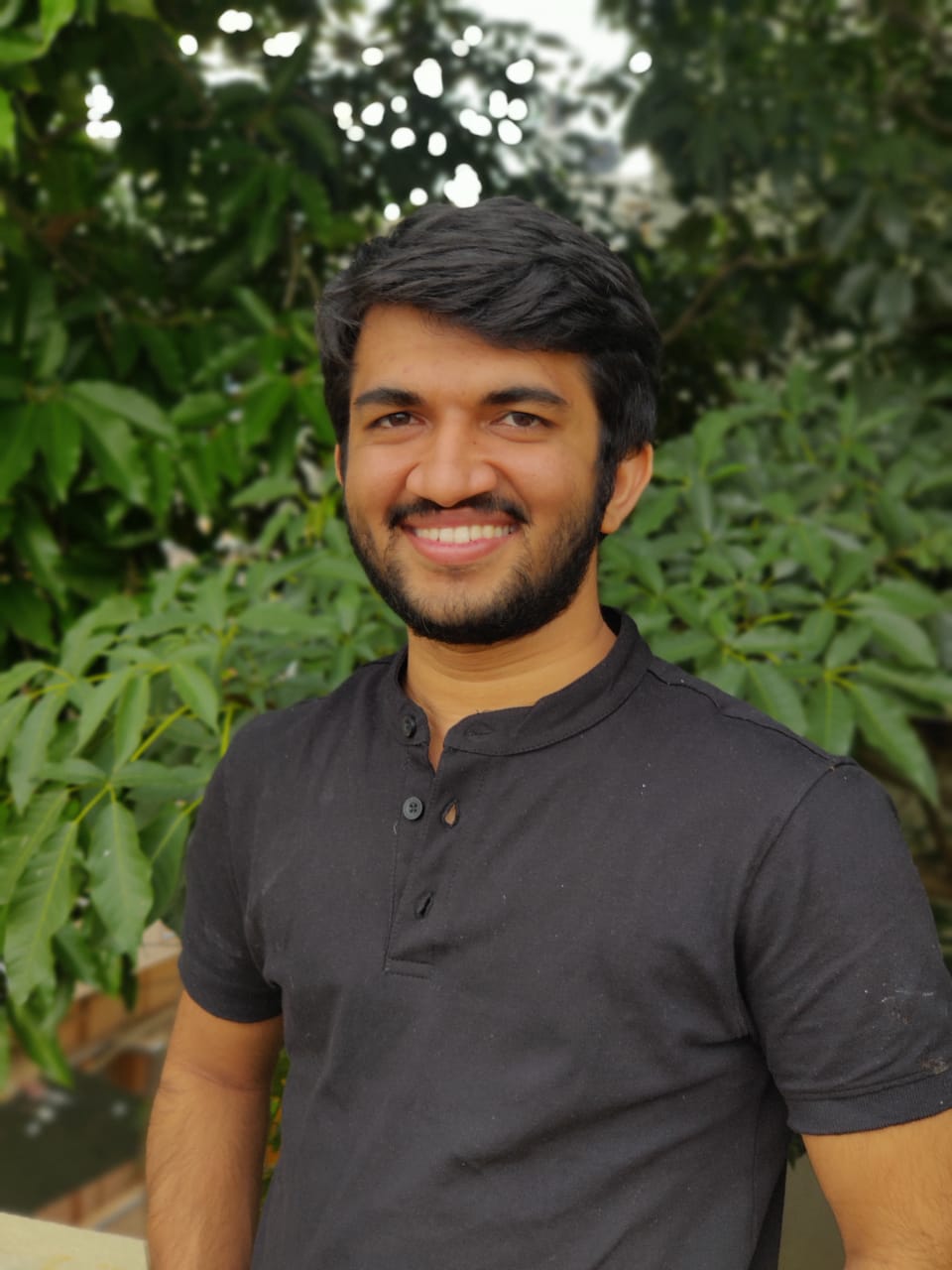
Guha H
Masters Research Student
Guha H is a Master's Research Student at the NeuRonICS Lab, Indian Institute of Science (IISc) Bangalore. He holds a B.E. in Electronics and Communication Engineering from Ramaiah Institute of Technology. Before beginning his Master's, he worked at the NeuRonICS Lab as a Research Assistant for a year, where he was involved in digital design for hardware acceleration of neural networks. During his undergraduate studies, he developed a non-intrusive apiary management system for predicting beehive conditions using sensor data and machine learning techniques, resulting in publications at ICDSIS-2022 and ICARES-2022. Currently, Guha is working on the design and development of embedded Field-Programmable Gate Arrays (eFPGAs), with a focus on their integration into custom System-on-Chip (SoC) architectures. His research interests include digital VLSI design, FPGA architecture, and hardware acceleration.
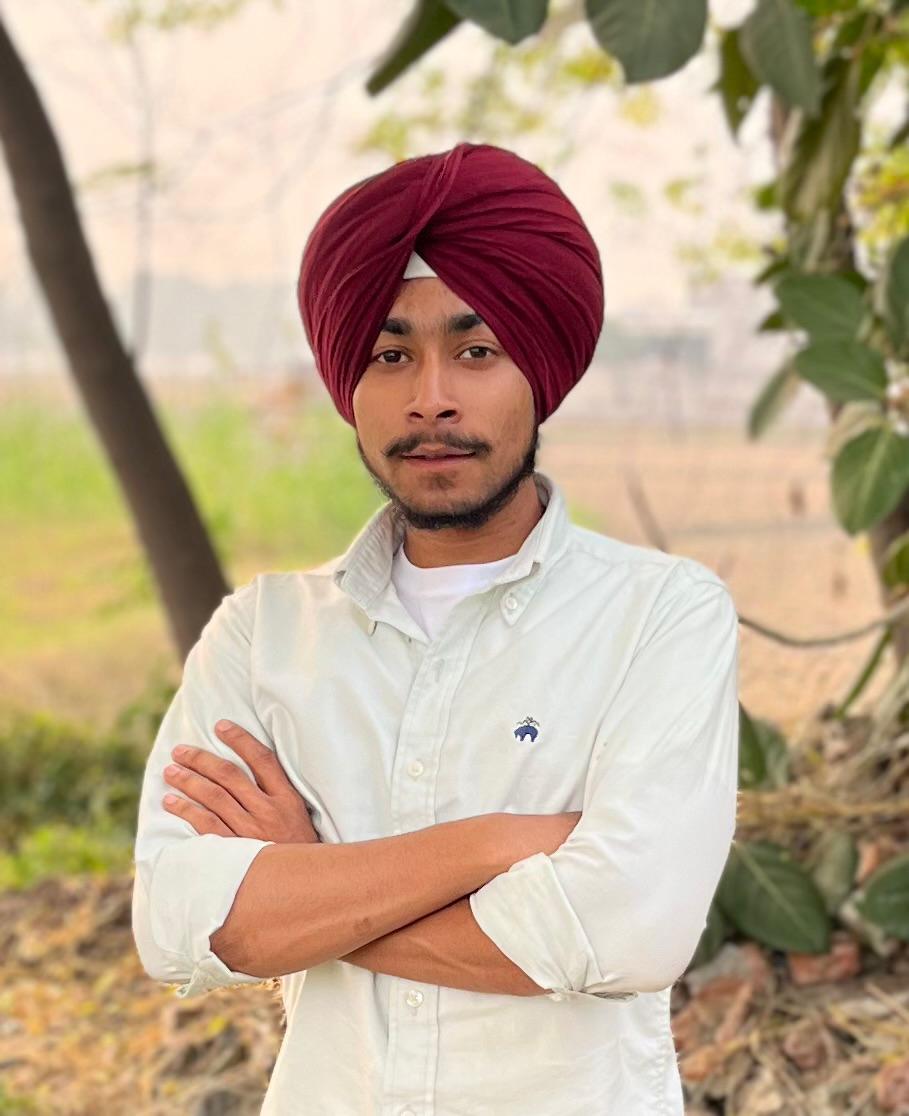
Gurjot Singh
Masters Research Student
Gurjot Singh is an M.Tech Research Student (2024-26) at the NeuRonICS Lab, IISc Bangalore. He completed his B.E. (Hons) in Electrical and Electronics Engineering from UIET – Panjab University, Chandigarh. He gained practical experience as an Analog Design Intern at SAC, ISRO, working on ultra-low-noise PLL design for NavIC integrated circuits. His research interests include neuromorphic and non-Von Neumann processor architectures and exploring alternative computing paradigms.
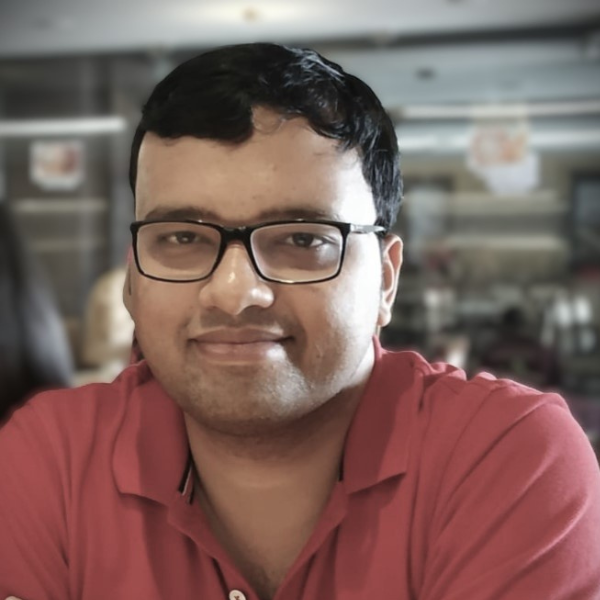
Vaibhav Anand Srivastava
Masters Research Student
Vaibhav Anand Srivastava graduated with honours in Electrical and Electronics Engineering from BITS Pilani, Pilani campus. With over 12 years of experience in the VLSI domain, he has worked with leading multinationals such as ST Microelectronics, ARM, and AMD. His career as a design architect has focused on circuit design, optimization, verification, and validation of critical foundation IPs, including memories and standard cells.
Having gained deep insights into the challenges of modern semiconductor design, he recognizes the need to integrate artificial intelligence and machine learning to address the complexities of next-generation chip design. His aim is to combine his expertise in IC design with AI/ML approaches to drive innovations in intelligent hardware, neuromorphic computing, and computational neuroscience. Through advanced study and research at IISc Bangalore, he aspires to contribute to the growth of India’s indigenous semiconductor industry and strengthen its global presence in the AI revolution.
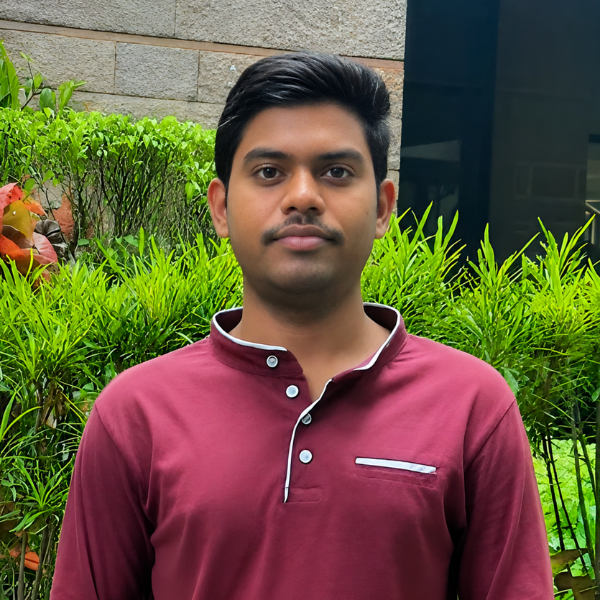
Kuruba Bharath
Masters Student
Kuruba Bharath is pursuing his M.Tech in Electronic Systems Engineering (2025–2027) at the Indian Institute of Science (IISc), Bengaluru. He received his B.Tech in Electrical and Electronics Engineering from Jawaharlal Nehru Technological University, Kalikiri, Andhra Pradesh, in 2023. His research interests include digital VLSI design, RTL design, and the ASIC/ FPGA implementation of digital systems, with a focus on developing efficient and high-performance hardware architectures.
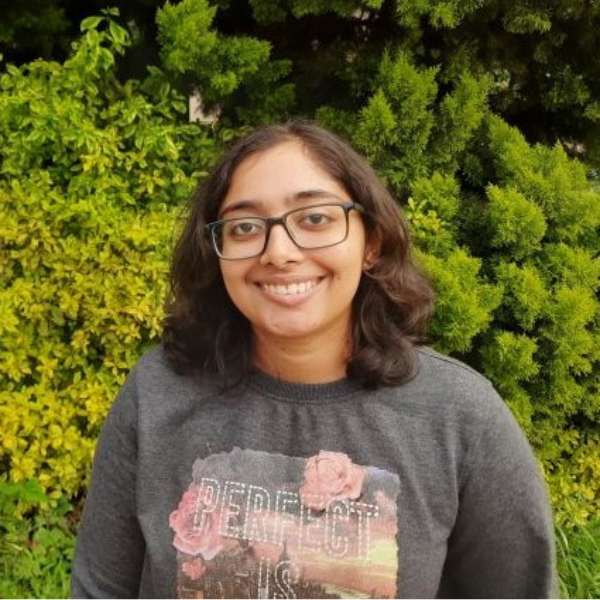
Liz Maria George
Masters Student
Liz Maria George is an M.Tech student in Microelectronics and VLSI Design at the Indian Institute of Science (IISc), Bangalore (2025–27). She completed her B.Tech in Electrical Engineering from the Indian Institute of Technology, Palakkad (2021-25). She is currently working under the guidance of Prof. Chetan Singh Thakur on the development of an Edge AI RISC-V SoC for Brain Computer Interface (BCI) applications. Her research interests include RTL design and the ASIC/FPGA implementation of digital systems. She has experience with Verilog, Xilinx Vivado, and Cadence tools for digital circuit design.
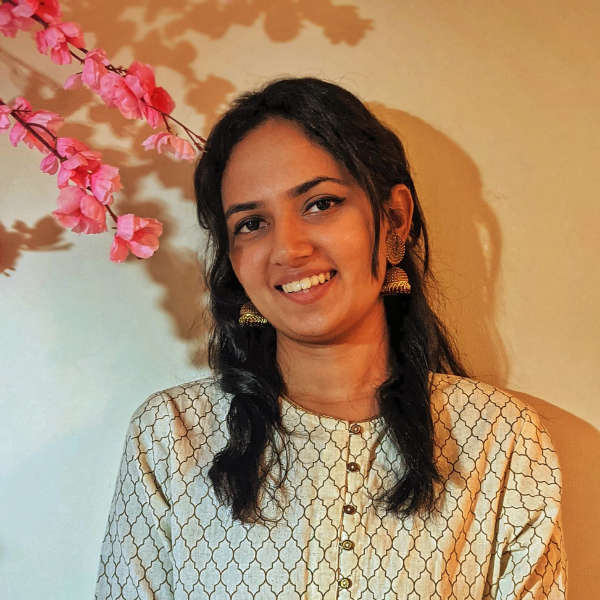
Naznin Haque
Masters Student
Naznin Haque is currently pursuing her M.Tech in Microelectronics and VLSI Design (MVLSI) at the Department of Electronic Systems Engineering (DESE), Indian Institute of Science (IISc), Bangalore (2025–2027). She completed her B.E. in Electronics Engineering from The Maharaja Sayajirao University of Baroda in 2024 and secured AIR 285 in GATE 2025 (ECE). At the NeuRonICS Lab, she is working under the guidance of Prof. Chetan Singh Thakur on the development of neuromorphic digital architectures for solving NP-hard optimization problems. Her research interests include digital VLSI design, RTL design, AI hardware, and high-performance computing architectures. She has experience in FPGA-based accelerator design, custom CMOS digital circuits, and embedded AI systems, and is interested in developing efficient digital architectures for next-generation AI and computing platforms.
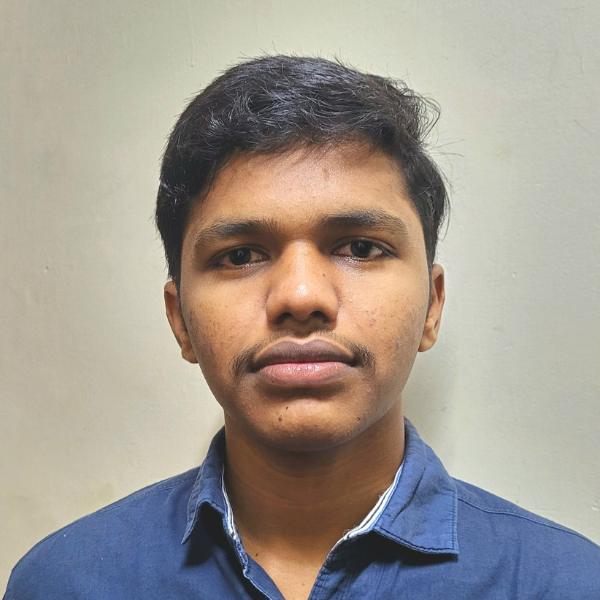
Perugu Mahaveera
Masters Student
Perugu Mahaveera is an MTech student in Electronic Systems Engineering at the Indian Institute of Science (IISc), Bangalore (2025–27). He completed his B.Tech in Electronics and Communication Engineering from NIT Calicut (2021–25). He is currently working on an analog State Space Model (SSM) project. His research interests include analog and mixed-signal circuit design.
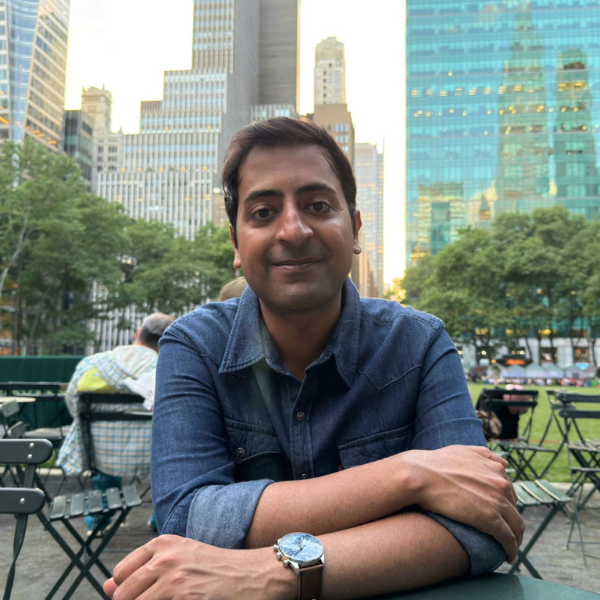
Prayanshu Sharma
Masters Student
Prayanshu Sharma is currently pursuing M. Tech. in Microelectronics and VLSI Design at the Indian Institute of Science (IISc), Bangalore. He received his B. Tech. in Electronics and Communication Engineering from GGS Indraprastha University, Delhi. He has over seven years of experience as a Scientist at the Indian Space Research Organization (ISRO), where he contributed to the development of low-noise camera systems, real-time embedded platforms, and AI vision models deployed on custom FPGA hardware for space applications. His research interests lie in digital VLSI design, autonomous robotics and AI acceleration at the edge.
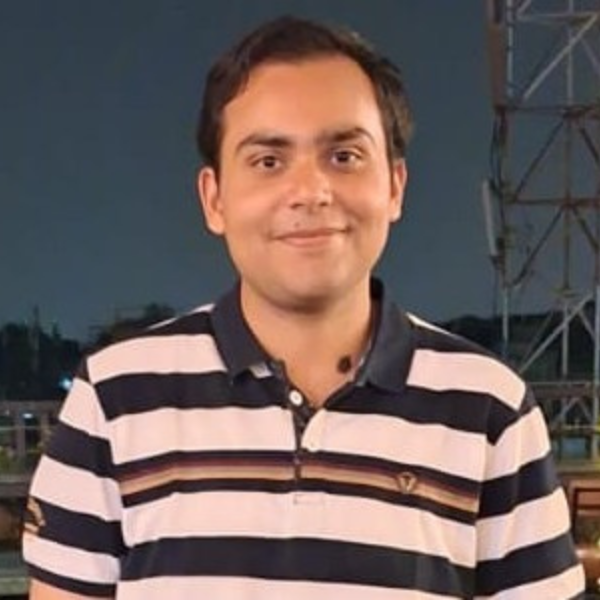
Shankha Bhattacharya
Masters Student
Shankha Bhattacharya is currently pursuing M.Tech in Microelectronics and VLSI Design at Indian Institute of Science, Bangalore (2025-2027). He graduated with honours (gold medallist) in the department of Instrumentation and Electronics Engineering from Jadavpur University, Kolkata, in 2025. His current work focusses on designing current mode jump resonance based filter for auditory and image sensing applications. His research interest include analog design, neuromorphic analog design, verilog and fpga based system development.
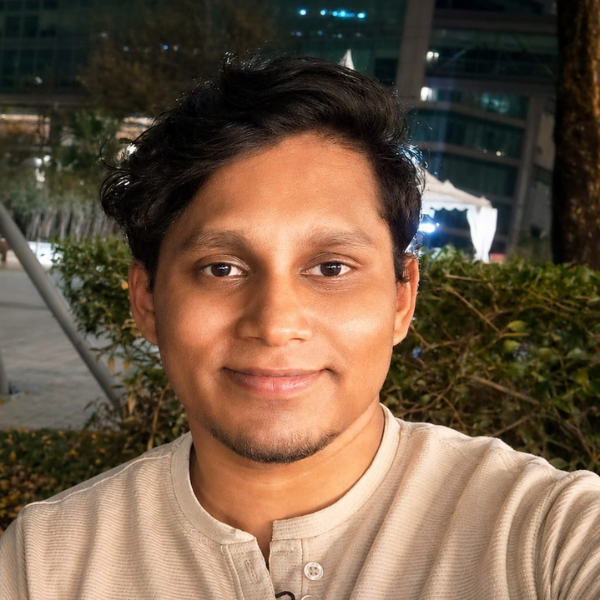
Shubha Ghosh
Masters Student
Shubha Ghosh is an M.Tech student in the Department of Electronic Systems Engineering (DESE) at the Indian Institute of Science (IISc), Bangalore. He holds a B.Tech in Electronics and Communication Engineering from the Heritage Institute of Technology, Kolkata, and has prior experience at Visteon and the Ministry of Electronics and Information Technology (MeitY). His research focuses on digital systems design, computer architecture, and hardware-software co-design. He is currently developing FPGA-based Digital Ising Machines for solving large-scale combinatorial optimization problems. His long-term objective is to design specialized computing architectures that provide practical value by solving computationally intensive real-world problems efficiently across a wide range of applications.
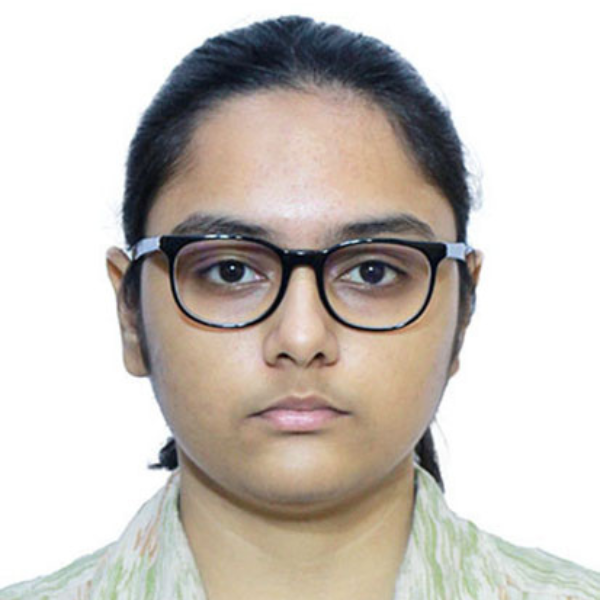
Somava Roy
Masters Student
Somava Roy is currently pursuing her M.Tech in Microelectronics and VLSI Design at the Department of Electrical Communication Engineering (ECE), Indian Institute of Science (IISc), Bengaluru. She received her B.Tech in Electronics and Intrumentation Engineering from the National Institute of Technology, Rourkela, in 2024. She is currently working on the development of FPGA-based hardware for quantum control systems, with a focus on high-speed digital signal processing and lock-in amplifier implementation on RFSoC platforms. Her research interests include FPGA and ASIC design, RTL development, digital signal processing, computer architecture, and hardware acceleration. She is particularly interested in designing efficient digital hardware architectures for high-performance and real-time computing applications.
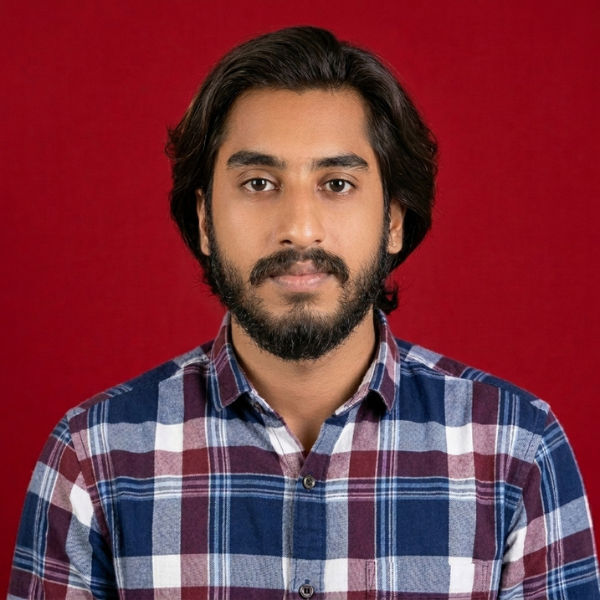
Tushar Dewangan
Masters Student
Tushar Dewangan is currently pursuing his M.Tech in Electronic Systems Engineering at the Indian Institute of Science (IISc), Bangalore (2025–2027). He completed his B.Tech in Electronics and Communication Engineering from Government Engineering College, Jagdalpur, Chhattisgarh. At IISc, he is working under the guidance of Prof. Chetan Singh Thakur on the development of a flexible Edge AI RISC-V SoC designed to support intelligent applications on resource-constrained hardware. His research interests lie in RTL design, SoC architectures, ASIC Flow and RISC-V processor design, with hands-on experience in Verilog, Vivado and Cadence design suite.

Vedant Saxena
Masters Student
Vedant Saxena is currently pursuing his M.Tech in Microelectronics and VLSI Design at the Department of Electronic Systems Engineering (DESE), IISc, Bangalore (2025–2027). He received his B.Tech in Electronics and Communication Engineering from Dr. A.P.J. Abdul Kalam Technical University, Lucknow, in 2024, where he was recognized as an Institute Gold Medalist and received the Academic Excellence Award. His research interests include analog design, neuromorphic engineering, and mixed-signal systems design. He is currently working on his thesis project focusing on a Current Mode Jump Resonator Filter for a Cochlea-Based Pixel System, operating in the subthreshold region. He is skilled in Verilog, analog/RF circuit design, and developing current-mode circuits using Cadence tools.

Adithya MD
Senior Project Associate
Adithya MD is a Senior Project Associate at the NeuRonICS Lab, IISc Bangalore. He focuses on developing embedded systems optimized for TinyML applications, enhancing machine learning capabilities in resource-constrained devices. Adithya co-founded IXE Tronics Private Limited, where he leads the development of embedded electronic solutions aimed at improving post-harvest crop management in processing industries. His expertise lies in hardware prototyping, firmware development, and microprocessor architecture, with proficiency in assembly and C/C++ programming. He has worked extensively with AVR, ARM, and PIC architectures, specializing in microcontroller systems, communication protocols, and user interface design.